The Rise of eSports Wagering and Its Impact on the Future of Online Gambling

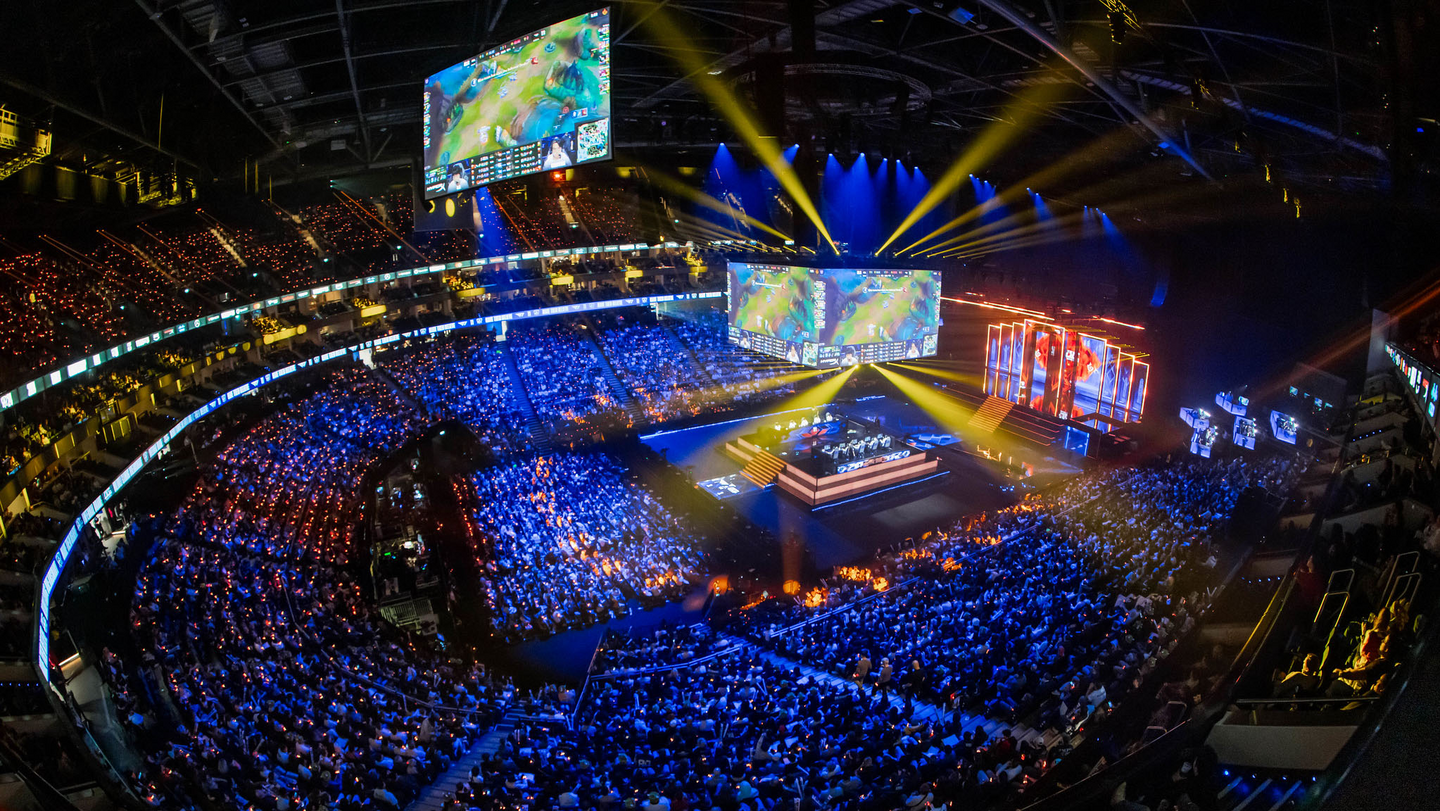
eSports betting has evolved from a niche market into one of the fastest-growing segments in online gambling. Competitive gaming tournaments now attract millions of viewers worldwide, and sportsbooks have adapted quickly to meet this demand. As platforms expand their offerings beyond traditional sports, eSports wagering is reshaping how operators structure markets, engage users, and integrate technology. The transformation is not temporary — it signals a long-term shift in the digital gambling landscape.
A New Generation of Bettors
Unlike traditional sports betting audiences, eSports attracts a younger, digitally native demographic. These users grew up with online multiplayer games, streaming platforms, and digital payments. Their expectations differ from conventional sportsbook customers.
Key characteristics of the new betting audience:
- Preference for mobile-first experiences
- High engagement with live streaming platforms
- Familiarity with in-game economies and digital assets
- Faster adoption of crypto and alternative payment systems
This demographic shift forces gambling platforms to modernize interfaces, streamline deposits, and provide faster live-betting features. The result is a more technologically advanced online gambling environment overall.
Expansion of Betting Markets Beyond Traditional Sports
eSports tournaments offer frequent events, global participation, and year-round schedules. Titles such as Counter-Strike, Dota 2, and League of Legends generate continuous betting opportunities without seasonal limitations.
Micro-Markets and In-Play Growth
Unlike many traditional sports, eSports matches generate numerous micro-events within a single game. Bettors can wager on:
- First kill
- Map winner
- Total rounds
- Specific player performance metrics
These granular markets increase engagement and transaction frequency. Sportsbooks are now applying similar micro-betting models to traditional sports to replicate this level of interaction.
Shorter Match Cycles
Many eSports matches conclude faster than conventional sports events. This rapid cycle encourages quicker bankroll turnover and more frequent betting decisions. Online casinos and sportsbooks have started adapting promotional models around shorter engagement windows.
Integration with Streaming Platforms
Streaming is central to eSports culture. Platforms like Twitch and YouTube play a major role in tournament broadcasting. Betting operators increasingly integrate live odds overlays and synchronized betting interfaces alongside streams.
This convergence between viewing and wagering creates a seamless ecosystem:
- Users watch and bet within the same session
- Real-time statistics enhance decision-making
- Promotions are delivered during live broadcasts
The fusion of entertainment and betting increases retention rates and session duration, setting a blueprint for future gambling innovation.
Data-Driven and Analytical Betting Models
eSports generates extensive in-game data. Every movement, kill, and objective is recorded digitally. This data availability allows sportsbooks to create advanced odds models based on real-time performance metrics.
Advanced Analytics and AI
Because eSports is fully digital, statistical tracking is more precise than in many physical sports. Operators increasingly use AI algorithms to adjust odds dynamically. Bettors, in turn, access:
- Player heat maps
- Historical matchup analytics
- Performance consistency indicators
This data transparency encourages analytical betting rather than purely emotional decisions. The trend is influencing traditional sportsbooks to invest more heavily in predictive modeling and automation.
The Rise of Skin Betting and Digital Assets
eSports introduced alternative wagering models tied to digital items, often called “skins.” Although regulatory scrutiny has increased, the concept demonstrated how virtual assets can function as gambling currency.
This innovation accelerated broader acceptance of:
- Cryptocurrency betting
- Blockchain-based transactions
- Tokenized reward systems
Online gambling platforms now explore decentralized payment options and NFT-based loyalty systems. eSports acted as a testing ground for these experimental frameworks.
Global Reach and Borderless Competitions
Traditional sports often concentrate regionally. eSports tournaments, however, are global by design. Teams from Asia, Europe, and North America compete in unified online circuits.
This global accessibility impacts online gambling by:
- Increasing cross-border betting traffic
- Encouraging multi-currency support
- Driving 24/7 betting availability
Because tournaments occur across time zones, sportsbooks maintain constant market activity. This continuous engagement model strengthens revenue stability for operators.
Regulatory Challenges and Market Legitimacy
As eSports betting grows, regulators are adapting. Issues such as match-fixing, underage participation, and skin gambling prompted stricter oversight. However, regulation also legitimizes the sector.
Clearer licensing frameworks increase trust among mainstream bettors. Many regulated sportsbooks now treat eSports as a standard betting category rather than an experimental offering. This integration strengthens industry credibility and attracts institutional investment.
Influence on Online Casino Innovation
Although eSports betting operates within sportsbooks, its technological influence extends to online casinos. Faster interfaces, gamified dashboards, and interactive leaderboards increasingly resemble gaming ecosystems rather than traditional betting platforms.
Features inspired by eSports culture include:
- Real-time tournaments and ranking systems
- Competitive betting challenges
- Community-based reward programs
Online casinos adopt these engagement tools to retain younger audiences. The distinction between gaming, streaming, and gambling continues to blur.
Long-Term Industry Transformation
eSports betting is not merely an additional vertical. It is redefining operational models across online gambling. Mobile optimization, micro-markets, streaming integration, crypto payments, and AI-driven odds adjustment are becoming standard.
The industry’s future will likely include:
- Greater personalization through data tracking
- Fully integrated watch-and-bet platforms
- Faster in-play betting mechanics
- Cross-platform gaming ecosystems
As competitive gaming continues expanding globally, its influence on gambling innovation will deepen. Operators that adapt to this evolution will remain competitive in a market driven by technology, speed, and user engagement.




Post Comment