The Psychology of Gambling: How Emotions Influence Decisions in Online Casino Games
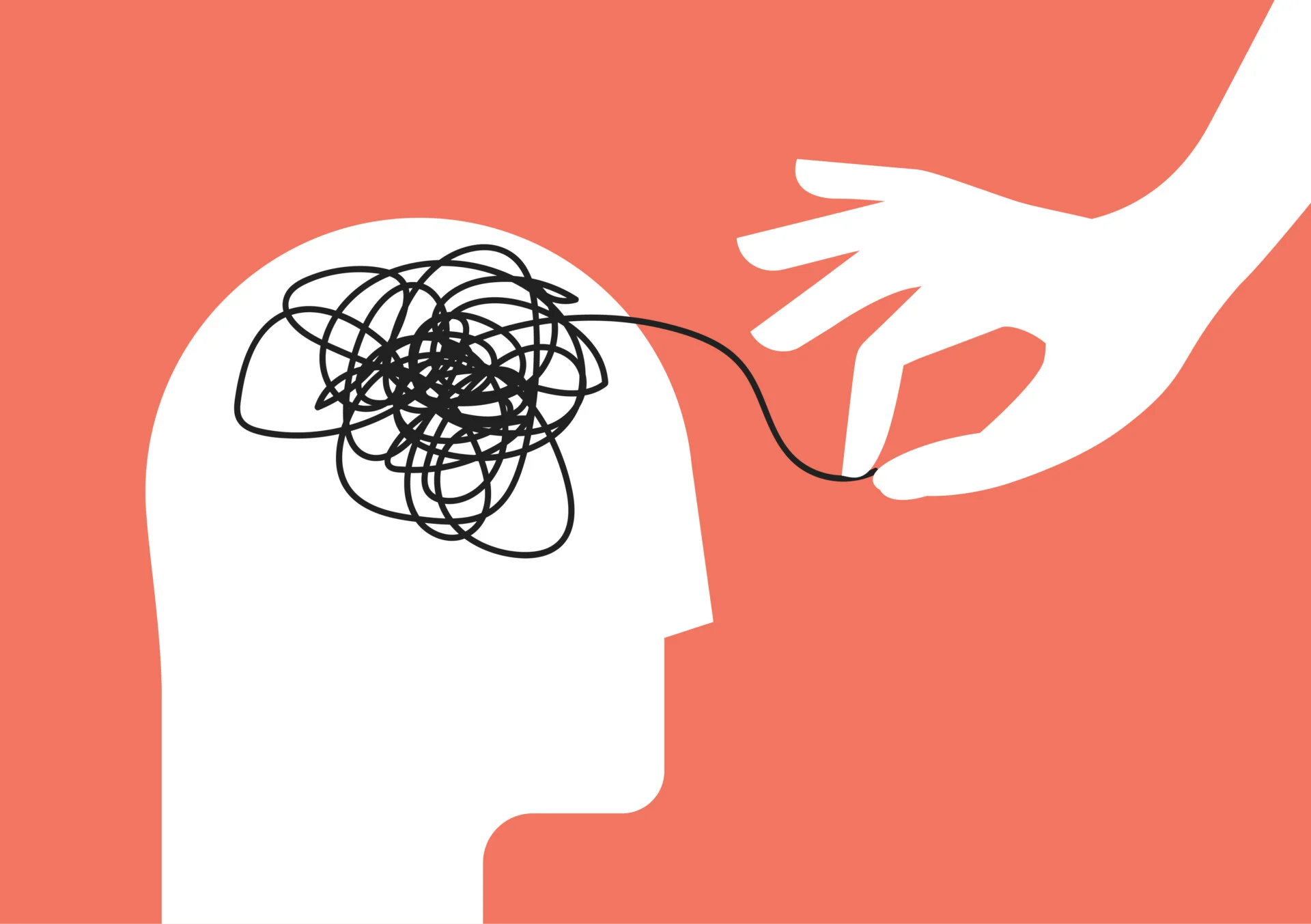
Gambling is like walking a tightrope. One wrong step, and you’re tumbling down. One perfect step, and you’re soaring. It’s a dance of risk and reward, where our emotions often lead the way, pulling us forward even when logic begs us to take a step back. Online casino games, in particular, fuel an emotional thrill that feels just a click away—no lines, no wait, just you and the game. But let’s talk about the hidden hand in every spin, every bet, every move: our emotions.
The Allure of the “Near Win”
One of the biggest emotional hooks in gambling is the “near win.” Imagine you’re playing online slots, and the symbols are spinning in perfect alignment, only to miss the jackpot by one tiny square. That almost-win triggers a burst of excitement and frustration combined—a cocktail of emotions that keeps you coming back, hoping that next time, you’ll hit it.
Psychologists say this effect is no accident. The “near win” feels like progress, tricking our minds into thinking we’re just a step away from victory. This belief fuels determination, and suddenly, we’re on a loop, convinced we’re getting closer even though the game is as random as ever. It’s the same reason people feel a jolt of excitement when they nearly win at bingo or fall just short in a poker hand; the near-miss pumps adrenaline and keeps us on edge.
Risk and Reward: A Brain Tug-of-War
Our brains love reward but hate risk. This creates a fascinating internal struggle during gambling. On the one hand, the possibility of winning big releases dopamine—the brain’s pleasure chemical. It’s like getting a glimpse of treasure at the end of the rainbow, which makes us feel fantastic. But on the flip side, there’s the dread of losing. When we do lose, the brain interprets it as a “bad beat,” triggering disappointment or even anger.
Many online casino games are designed to make this tug-of-war even more intense. They lure us with colors, sounds, and visuals that make every spin and roll feel like a mini-celebration. Slots light up, roulette wheels spin with purpose, and poker tables glisten with opportunity. Our brains eat this up, making us crave the “win high” even more intensely. And when that win does come, it’s like striking gold, often leading us to chase that feeling over and over.
For instance, when playing at platforms like Bizzo Casino, a quick Bizzo Casino login can whisk you right into the heart of games that are crafted to amplify this emotional rush, setting the stage for excitement and thrill in every round.
The Gambler’s Fallacy: “This Time, It’ll Be Different”
Ah, the gambler’s fallacy—a classic trick of the mind. It’s the belief that if you’ve lost several times in a row, then surely, you’re “due” for a win. The brain loves patterns, so even in completely random games, we try to find meaning and order. If the roulette wheel landed on black five times, it must be red soon, right? Not quite.
The gambler’s fallacy is like chasing shadows. It doesn’t reflect how chance really works, but that doesn’t stop it from influencing our decisions. Many of us have fallen for it, convinced that luck will change if we just keep going. This emotional trap is deeply rooted in our psychology, making us feel we’re somehow in control of the outcome, even when it’s all just chance.
The Power of Loss Aversion
Let’s talk about losses. Losing stings—hard. In fact, psychologists say that losses hurt more than wins feel good. This is called “loss aversion.” When we’re down, it’s tempting to keep playing just to “win back” what we’ve lost. Online casinos know this feeling well, which is why they sometimes offer perks like bonuses or discounts to keep us playing after a loss.
Loss aversion can make players take bigger risks than they normally would. Instead of walking away after a loss, they double down, feeling they must recoup their money. But often, this emotional reaction leads to an even deeper loss, creating a spiral that’s hard to escape. It’s like quicksand—the more you struggle to get out, the deeper you sink.
Emotional Awareness: The Secret Weapon
Understanding the emotional side of gambling is like holding a flashlight in a dark room. The more aware you are of how emotions influence your decisions, the better you can control them. Pausing to check in with yourself—“Am I playing because I want to, or because I’m chasing a loss?”—can make all the difference. Taking a break after a loss or setting a budget before you start can help keep your emotions in check.
Online gambling is exhilarating, yes, but knowing when to pull back can be a powerful tool. It’s about finding balance and treating every game as a form of entertainment, not a solution to emotional needs. That’s the real win: being in control of your choices, not letting emotions run the show.
In the end, gambling is a dance with emotion, but knowing the steps can help you lead, not follow. So, next time you spin, roll, or bet, remember that it’s not just luck at play—it’s the psychology of you, your mind, and your heart. And maybe, just maybe, that awareness is the ace up your sleeve.




Post Comment