Everyday Habits That Sharpen Cognitive Performance
In sports betting and casino gaming, mental clarity is a competitive advantage. The ability to process information quickly, manage emotions, and evaluate risk depends heavily on brain function. While advanced strategies and analytics matter, cognitive performance is often shaped by simple daily habits. Small lifestyle adjustments can significantly improve focus, memory, and decision-making — all critical for disciplined gambling.
Prioritize Sleep for Mental Accuracy
Sleep is the foundation of cognitive performance. During deep sleep, the brain consolidates memory, processes information, and restores neural function. Even mild sleep deprivation reduces reaction time and increases impulsive behavior.
For bettors analyzing statistics or reacting to live odds, fatigue increases the likelihood of emotional decisions. Research shows that lack of sleep weakens the prefrontal cortex — the area responsible for judgment and impulse control.
Practical improvements:
- Maintain a consistent sleep schedule
- Avoid screens at least 60 minutes before bed
- Limit caffeine intake after midday
- Aim for 7–9 hours of quality sleep
Stable sleep patterns directly improve attention span and strategic thinking.
Optimize Nutrition for Brain Fuel
The brain consumes significant energy. Blood sugar instability can impair focus and cause mental fog during betting sessions.
Nutrients That Support Cognitive Function
Balanced nutrition enhances neurotransmitter production and sustained energy levels. Key nutrients include:
- Omega-3 fatty acids for neural communication
- B vitamins for energy metabolism
- Magnesium for stress regulation
- Antioxidants to reduce oxidative stress
Stable glucose levels support consistent reasoning. Skipping meals or relying on processed snacks increases the risk of decision fatigue.
Hydration and Mental Clarity
Even mild dehydration can reduce concentration and working memory. Drinking water consistently throughout the day prevents cognitive decline during extended analysis sessions.
Daily Physical Activity Enhances Brain Performance
Regular movement improves blood flow to the brain and stimulates the release of growth factors that support neural plasticity. Exercise enhances memory, learning capacity, and stress tolerance.
Moderate activity is sufficient. Walking, light strength training, or cycling several times per week improves mental resilience. For bettors and casino players, physical fitness reduces emotional volatility after losses and improves reaction time during live wagering.
Short workouts before reviewing markets can increase alertness and analytical sharpness.
Train Focus Through Digital Discipline
Constant notifications fragment attention. Cognitive switching between apps and alerts reduces deep focus capacity. In betting environments where timing matters, distraction increases errors.
Practical digital control strategies:
- Disable non-essential notifications
- Set dedicated analysis windows without interruptions
- Avoid multitasking during live betting sessions
Focused sessions improve data interpretation and risk assessment accuracy.
Mental Training and Strategic Thinking Exercises
The brain strengthens through targeted stimulation. Strategic games and analytical exercises improve pattern recognition and probability assessment — skills directly relevant to gambling.
Cognitive Drills That Build Decision Speed
Activities that improve mental processing include:
- Logic puzzles
- Probability simulations
- Memory recall exercises
- Strategy-based board or digital games
Engaging in structured mental challenges increases neural efficiency over time.
Reviewing Betting Decisions Objectively
After each betting session, reviewing outcomes without emotion improves future performance. Tracking mistakes and successes strengthens analytical reasoning and reduces bias.
Stress Management Improves Risk Control
Chronic stress increases cortisol levels, which impair memory and impulse regulation. In gambling, stress often leads to chasing losses or abandoning structured bankroll plans.
Breathing exercises, short walks, or brief meditation sessions reduce physiological stress responses. Even five minutes of controlled breathing before placing high-stakes wagers can improve composure.
Stable emotional states support rational evaluation rather than reactive betting.
Build Consistent Routines for Cognitive Stability
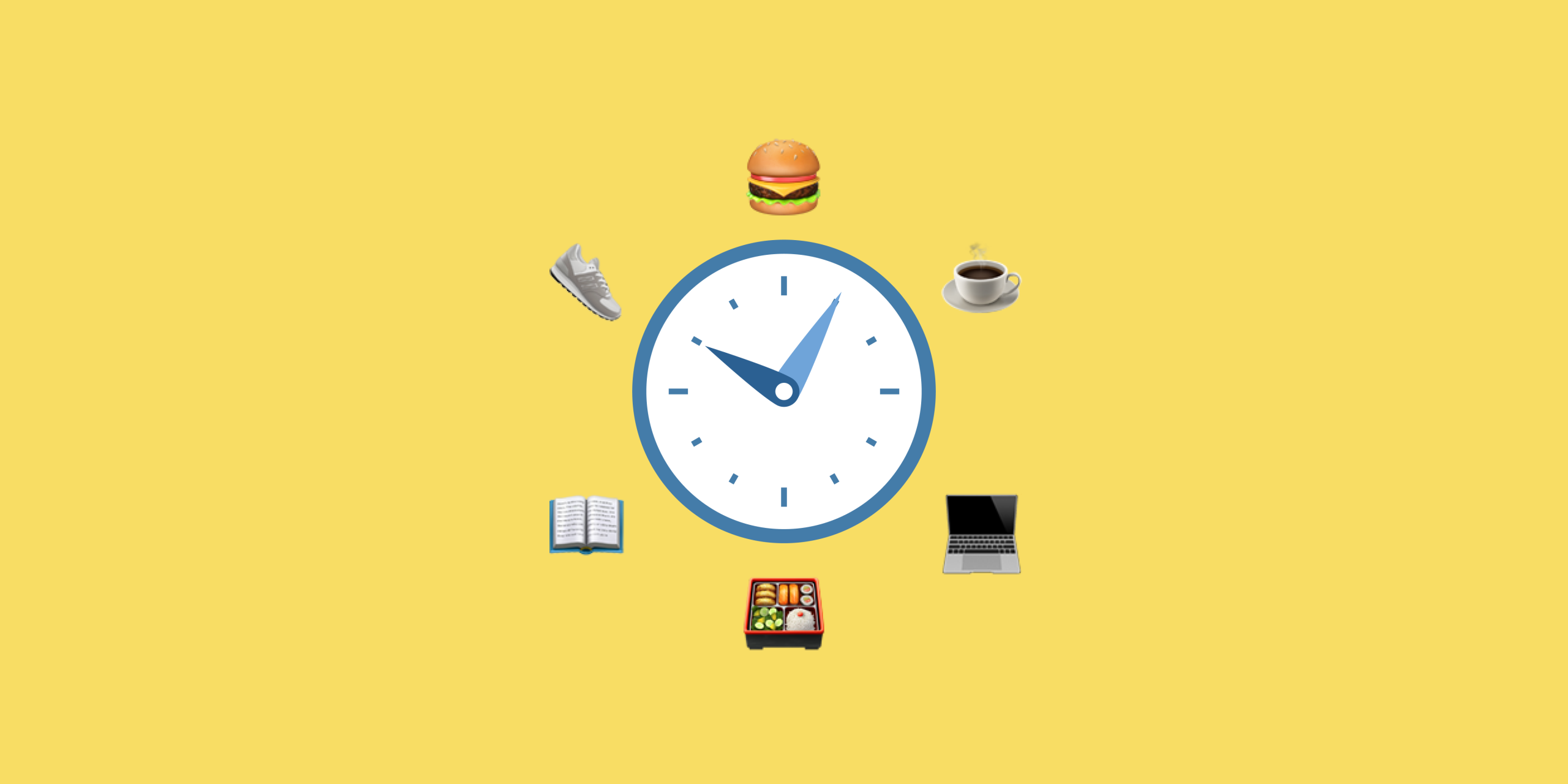
Decision quality declines when daily structure is inconsistent. Irregular sleep, erratic eating, and chaotic schedules increase mental fatigue.
Establishing routines creates predictability, which reduces cognitive load. When basic habits are automated, mental energy can be directed toward strategic tasks like odds comparison and market analysis.
Consistency in small habits produces compound cognitive benefits over time.
Limit Information Overload
Sports betting and casino markets generate massive data streams. While information is valuable, excessive consumption leads to analysis paralysis.
To maintain clarity:
- Focus on a limited number of leagues or games
- Rely on trusted statistical sources
- Avoid reacting to every social media opinion
Selective information processing prevents cognitive exhaustion and improves decision precision.
Long-Term Cognitive Investment
Improving brain function is not about drastic lifestyle changes. Small, sustainable adjustments — better sleep, regular movement, balanced nutrition, and focused digital habits — compound into measurable cognitive gains.
Sharper memory supports statistical analysis. Stable emotions protect bankroll discipline. Faster reaction time enhances live betting performance. Clear thinking reduces impulsive risk.
In competitive gambling environments, mental performance determines consistency. By strengthening cognitive foundations through simple daily habits, bettors and casino players increase their ability to make disciplined, rational decisions over the long term.




Post Comment